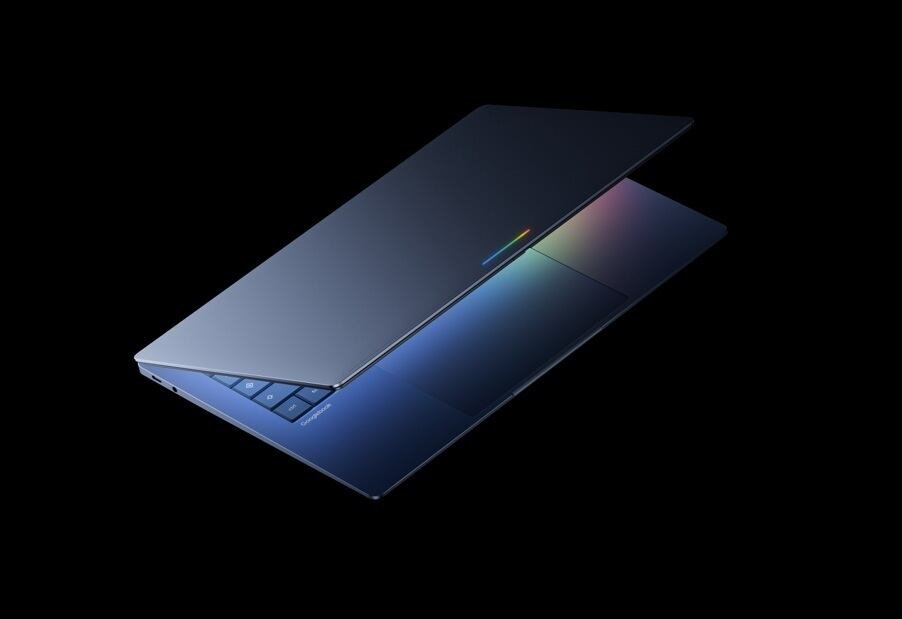
Google has put a date on the long transition away from today’s ChromeOS platform. In a support document updated September 23, the company says ChromeOS devices will continue receiving regular updates and security patches through mid-2034. Newer qualifying Chromebooks whose promised support extends beyond that point are expected to receive a path to Googlebook OS.
That does not mean every Chromebook will suddenly stop working in 2034. It means Google now has a public horizon for regular ChromeOS updates while it moves laptops onto a new operating-system foundation built partly from the Android technology stack. The details matter for buyers, schools and companies that often keep Chromebook fleets for many years.
What Google has actually confirmed
Google’s Chrome Enterprise and Education support page says current Chromebooks will remain supported according to the existing Auto Update policy. Devices already in use should continue receiving updates through their individual supported lifetimes.
The same page adds that regular ChromeOS updates and security patches will continue through mid-2034. If a qualifying device bought today has a 10-year support period that runs beyond that date, Google says it will support a transition to Googlebook OS. Many of those devices are expected to offer a direct migration, although Google has not published a model-by-model eligibility list.
The distinction is important: 2034 is not a universal expiration date printed onto every Chromebook. Each model still has its own automatic-update deadline. Older devices may reach that deadline much sooner, while selected recent models could change operating systems instead of losing support.
Googlebook OS is the intended successor
Googlebook OS combines elements of ChromeOS with the Android technology stack. Google says the new architecture will support native Android apps, stronger phone integration, a desktop web browser and built-in Gemini tools. The company is presenting it as an evolution of its laptop platform rather than simply Android stretched across a larger screen.
In its original Googlebook announcement, Google described features such as Magic Pointer, prompt-created desktop widgets, access to files on a connected Android phone and the ability to use phone apps without leaving the laptop. Acer, ASUS, Dell, HP and Lenovo are building Googlebook hardware.
The first Googlebooks are premium consumer laptops. Ars Technica reports that the initial range starts at $899, far above the price of many education-focused Chromebooks. That pricing makes a rapid one-for-one replacement unrealistic for many schools.
Schools and businesses have a longer wait
The 2026 Googlebook launch is aimed at personal users. Google says current models do not yet support domain enrollment or the complete centralized management system used by large Chromebook deployments.
A first wave of core management capabilities is scheduled to begin rolling out in the second half of 2027. Google plans to add Admin console controls, reporting, zero-touch enrollment and support for third-party enterprise mobility management systems over multiple phases.
Until then, organizations can continue buying and managing ChromeOS devices. Existing Chrome Enterprise Upgrade and Chrome Education Upgrade licenses will remain active for those devices throughout their supported lifetimes. Migrated Chromebooks and newly purchased Googlebooks will use a new licensing structure, but Google has not yet disclosed its price or final terms.
What remains unknown
- Google has not published the complete list of Chromebooks eligible for Googlebook OS.
- There is no firm schedule for when direct migrations will begin.
- The company has not explained whether every eligible device will retain all existing management features immediately.
- Commercial Googlebook licensing prices and migration terms are still pending.
- Google has not said what happens to a late-model Chromebook that cannot migrate but has a promised update date beyond mid-2034.
Those gaps make it too early for fleet managers to treat Googlebook OS as a drop-in ChromeOS replacement. Google’s support page says more eligibility and migration details will be shared later.
What Chromebook owners should do now
Owners do not need to replace a working Chromebook because of this announcement. The practical step is to check that model’s automatic-update expiration date, which remains the clearest guide to how long it should receive patches.
People buying a Chromebook for short-term personal use may see little immediate change. Buyers expecting eight to ten years of service should pay closer attention: a newer model’s long-term experience may depend on whether Google approves it for migration to Googlebook OS.
Schools and businesses should be more cautious with purchases extending beyond normal refresh cycles. They can keep using ChromeOS, but should avoid assuming that today’s device-management licenses, policies and hardware will transfer unchanged. Written confirmation of eligibility will matter once Google publishes the migration list.
The larger shift
ChromeOS built its identity around a lightweight, web-first experience. Googlebook OS shifts the emphasis toward native Android apps, phone continuity and operating-system-level AI. The mid-2034 date shows how long Google expects the old and new foundations to coexist.
For most consumers, the transition is still years away. For institutions planning thousands of laptop purchases, however, Google has started the clock—and left several of the most expensive questions unanswered.
Featured image: Google promotional imagery, via El Comercio.