Start with the photos or videos you want to deliver. Then compare the complete workflow, not only camera specifications.
Keep exploring: See our used-phone buying checklist for the next practical step.
Describe the project
Choose a specific outcome: family clips, talking-head videos, product photographs, or long recording sessions. Note the lighting, location, and how quickly you need to share the result. A camera that suits one project may add unnecessary steps to another. Use examples of your own work to identify what is actually limiting you.
Make a complete kit comparison
Compare the phone or camera together with the support equipment it needs. This may include a tripod, microphone, memory, batteries, and editing software. Record the total price and what you would carry. A compact camera body is not the same thing as a compact working kit.
Walk through capture to delivery
Imagine a typical session from charging to final export. How will you frame yourself, monitor sound, transfer files, and keep backups? Time the parts you already do rather than guessing. If an unfamiliar camera offers a feature you want, ask for a demonstration of that exact task.
Upgrade the bottleneck first
If your existing footage is limited by unclear speech or an unstable setup, explore those problems before buying a camera body. If you identify a camera-specific limitation, make it a written requirement for the replacement. Borrowing or renting can help test the workflow. Do not infer hands-on performance from a specification list alone.
Compare two versions of one small project
For a hypothetical product demonstration, create a 30-second clip showing the item, a close detail, and spoken explanation. First complete it with your current phone. Write down the actual problem: unreadable detail, inconsistent framing, unclear speech, difficult file handling, or something else. Then ask how a proposed camera changes that particular step.
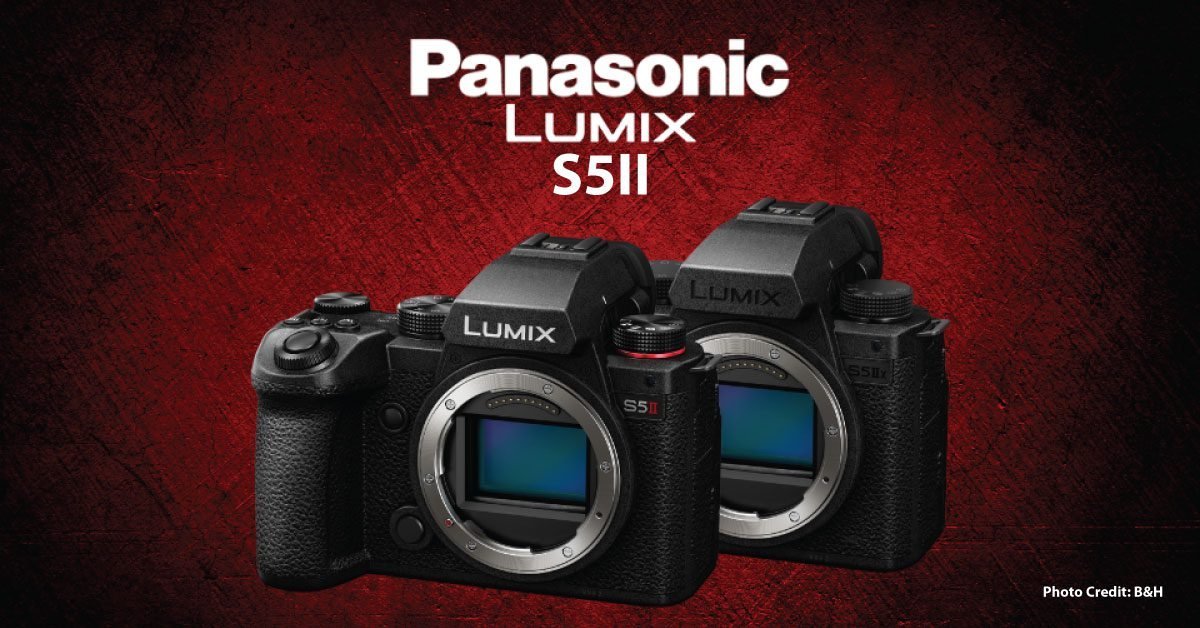
A fixed wide-angle camera, such as Sony’s documented ZV-1F, solves a different framing requirement from an interchangeable-lens system such as Panasonic’s LUMIX S5II. Neither automatically solves room echo or a missing light. Price the microphone, support, lens where applicable, and transfer workflow before assigning the whole budget to the body. This exercise produces a targeted upgrade requirement instead of a comparison based only on sensor size.
Sources & method
AI-assisted editorial guidance checked against the primary references below. Examples are illustrative exercises, not results from product tests. No hands-on testing or independent performance measurement is claimed.