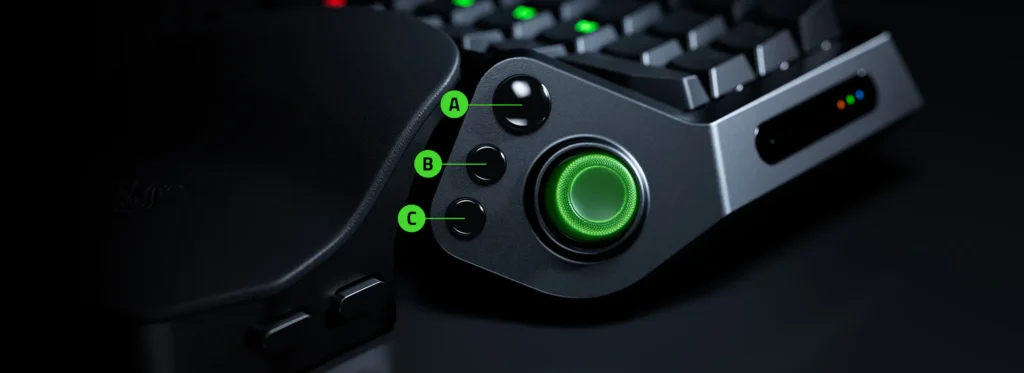
Razer introduced the Tartarus V2 Pro on September 17, 2026, giving its one-handed gaming keypad a full-size thumbstick and a deep set of configurable controls. It is a specialized PC input device for players who want game commands close to one hand—not a replacement for a complete keyboard in every task.
What changed on the keypad
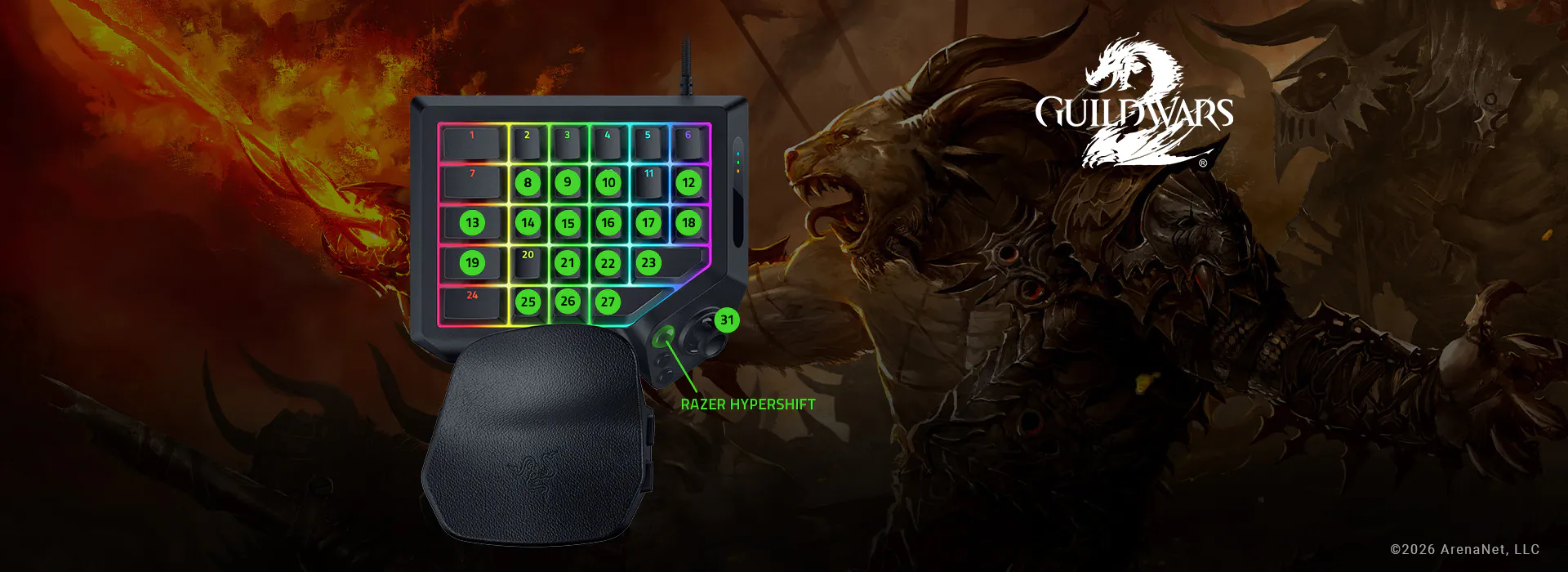
According to Razer’s product page, the new model offers 31 programmable controls, a TMR thumbstick, three dedicated side buttons and an adjustable wrist rest. The second-generation analog optical switches let users set actuation from 0.1 to 4.0 mm and use Rapid Trigger for repeated inputs. Razer also lists Snap Tap and multi-action key functions, but their practical advantage will depend on a game’s rules and the player’s configuration.
The thumbstick can handle directional input or menus while the main keys hold abilities and shortcuts. That combination may appeal to MMO players juggling many bindings and to gamers who prefer a compact left-hand layout. Razer says the wrist rest moves and tilts, but comfort is personal; we have not tested the fit or performance.
Profiles and software matter
Razer says users can configure up to eight keymaps in each of three profiles through its Synapse software. The flexibility is attractive, though it also means setting up the keypad thoughtfully will take more work than plugging in a standard keyboard. The product page says firmware and Synapse should be kept current for the best experience. Some advanced features are off by default.
Price and availability
Windows Central reported the September 17 launch at $199.99 in the US and £199.99 in the UK. Razer’s US product page says it is sold through Razer’s store and authorized retailers worldwide, but local prices, stock and promotions may differ. The page advertises a launch-week store credit offer; check the checkout terms before relying on that promotion.
At this price, the real question is whether the compact layout improves a player’s control enough to justify another peripheral. The specifications establish what can be customized; independent comfort and latency testing is still needed to assess the experience.
Sources checked September 19, 2026: Razer product documentation and Windows Central’s launch report. Featured image: official Razer product illustration identifying side buttons and thumbstick. Prepared with AI assistance; no hands-on testing claimed.