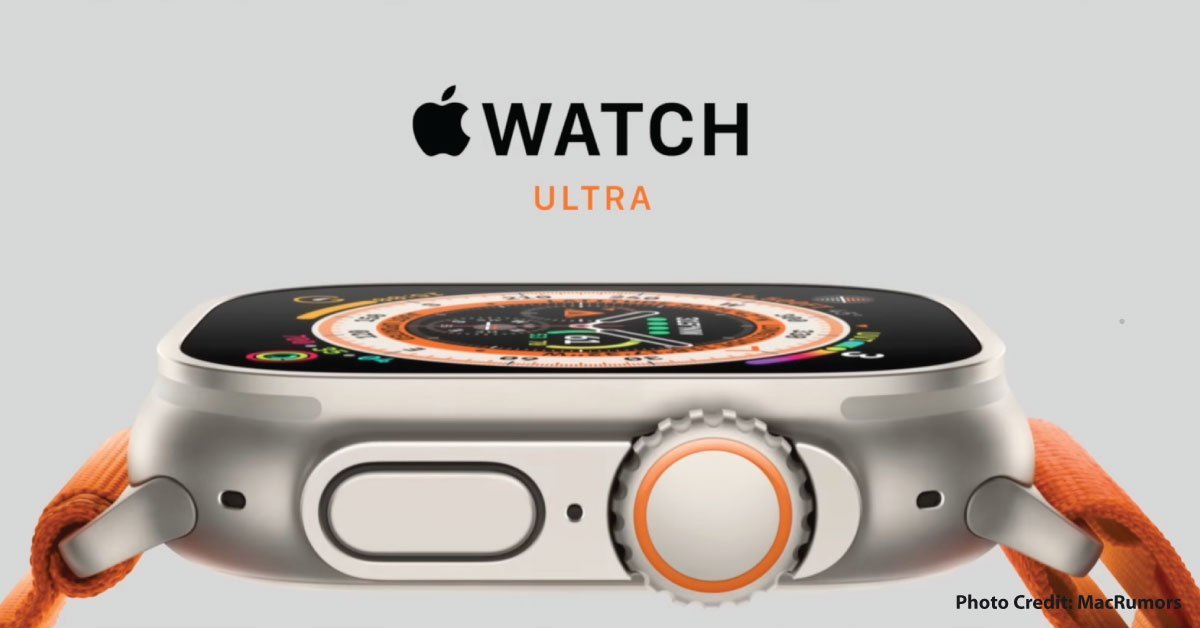
Understand what the device reports and avoid treating a consumer estimate as a complete picture of your health.
Read the metric definition
Start with the manufacturer’s explanation of the number you are viewing. Note how the metric is described, which conditions affect it, and the product’s intended use. Do not assume two brands measure or calculate similarly named metrics in the same way.
Keep the context
Record relevant changes in device placement, settings, software, or routine when interpreting an unusual reading. Use the same device and supported wearing method for a personal comparison where practical. A single number without context can be difficult to interpret.
Separate motivation from diagnosis
A reminder or activity estimate may help organize a routine, but it does not replace professional evaluation. Do not change medication, ignore symptoms, or make a medical decision based solely on a consumer wearable. Discuss health concerns with a qualified clinician and bring the device information if it is relevant.
Choose useful rather than impressive
Before paying for another metric or subscription, explain what practical action it would help you take. Read export and privacy options if you plan to keep long-term records. Prefer a device you understand and can use consistently over one whose large feature list you cannot interpret. This is a guide to evaluating product claims, not medical advice.
Question an unsupported medical claim
The FDA has warned against smartwatches and rings claiming to measure blood glucose without piercing the skin. Its warning distinguishes those claims from authorized applications that display data from an appropriate separate glucose-monitoring device. A health-looking screen or a convincing shopping listing is not evidence of authorization or accuracy.
For an ordinary activity tracker, ask what each displayed metric actually means and whether its intended use matches your decision. Keep a record of the device and circumstances if you discuss an unusual reading with a clinician. Do not use a consumer estimate to change treatment or dismiss symptoms. This article evaluates gadget claims and documentation; it does not diagnose a condition or establish the accuracy of a specific wearable.
Sources & method
AI-assisted editorial guidance checked against the primary references below. Examples are illustrative exercises, not results from product tests. No hands-on testing or independent performance measurement is claimed.