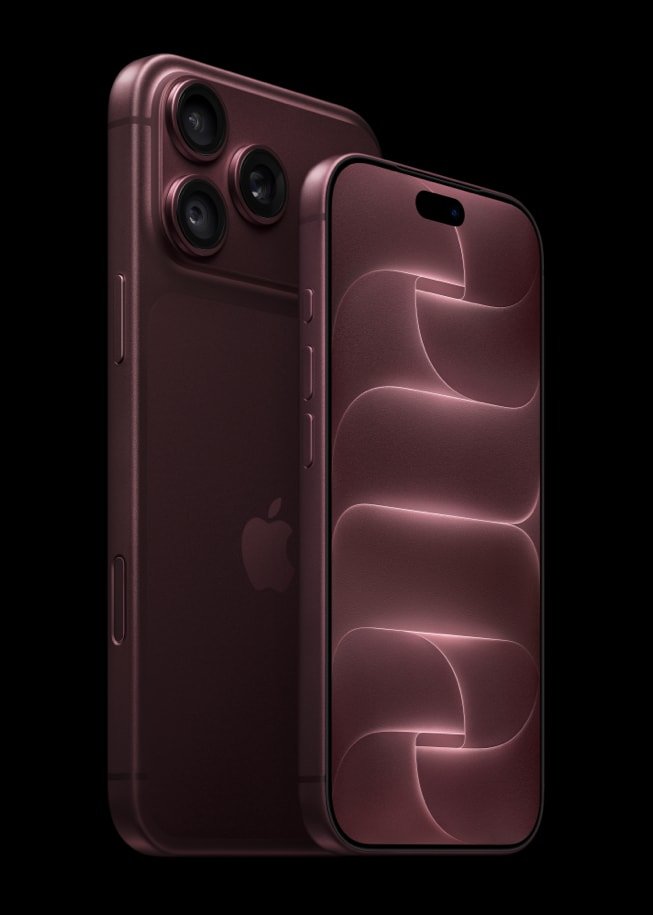
Apple says a small number of iPhone 18 Pro Max devices on AT&T can lose cellular service completely, leaving owners unable to make calls, send texts or use mobile data. The company has released two preventive updates, but there is a hard limit to the fix: an iPhone that has already been affected cannot be restored by installing software and must be replaced.
The issue is narrowly defined for now. Apple says it has observed the failure on the iPhone 18 Pro Max connected to AT&T, not on the smaller iPhone 18 Pro or with other U.S. carriers. The underlying cause has not been disclosed.
What Apple confirmed
In a statement provided to MacRumors on October 2, Apple said affected phones may lose service and become unable to make calls. The failure also cuts off ordinary cellular text and data service, according to the report.
Apple described the number of affected customers as small, although complaints have accumulated in the Apple Support Community and elsewhere. That difference matters: online reports can show that a problem is real without establishing how common it is across every iPhone 18 Pro Max sold through AT&T.
Apple has not issued a recall or published a dedicated repair-extension program. It also has not explained whether the failure is caused by hardware, carrier configuration, radio firmware or an interaction between those parts. Owners should avoid treating unofficial technical theories as confirmed.
Install iOS 27.0.1 now
Apple strongly recommends that every iPhone 18 Pro Max owner install iOS 27.0.1, even if cellular service currently works. Go to Settings > General > Software Update, connect the phone to power or ensure it has sufficient battery, and follow the onscreen instructions.
Apple released iOS 27.0.1 on September 28. Its public iOS 27 update page describes the release as a bug-fix update, but the support notes do not provide a detailed technical explanation of this AT&T problem. Apple’s later statement says the operating-system update works together with a carrier settings update to help prevent the cellular failure.
Updating is preventive, not curative. If an affected phone has already reached the point where the cellular connection will not return, iOS 27.0.1 will not repair it.
AT&T users also need the carrier update
AT&T iPhone 18 Pro Max devices are also receiving new carrier settings. These small configuration packages are separate from iOS and can update how an iPhone interacts with a mobile network.
Apple says the carrier update will download automatically to AT&T users over a 14-day rollout. Owners do not need to wait for a notification: open Settings > General > About while the phone is connected to Wi-Fi or cellular service. If an update is available, iOS should present a prompt to install it.
Because Apple says both iOS 27.0.1 and the carrier settings update are intended to prevent the problem, installing only one leaves the phone short of the company’s complete recommendation. After updating, it is sensible to restart the iPhone and confirm that calls, SMS messages and mobile data still work.
What to do if service is already gone
If the iPhone 18 Pro Max has already lost AT&T service and ordinary troubleshooting does not bring it back, Apple says the device must be replaced. The company advises affected customers to contact Apple Support or AT&T, or visit an Apple Store or AT&T retail location.
Before an appointment, owners should back up the phone to iCloud or a computer over Wi-Fi. A current backup is especially important because replacing an eSIM-only U.S. iPhone involves moving both personal data and the carrier line to another device. Keep the receipt, order confirmation and account-holder information available as well.
Apple has not published issue-specific replacement pricing, eligibility dates or a serial-number checker. Customers should therefore have Apple or AT&T confirm that their phone matches the known failure before approving any paid repair or insurance claim. Accidental damage or unrelated faults could be handled under different terms.
If cellular service is unavailable while arranging support, use a trusted Wi-Fi connection for messaging and support chat. Do not rely on an affected phone as the only way to make an urgent call.
Who is and is not affected
The confirmed scope is the iPhone 18 Pro Max on AT&T. Apple says no other iPhone model or carrier is known to be affected. Owners of an iPhone 18 Pro, iPhone Duo or an older iPhone should not assume a separate reception problem is part of this incident.
The iPhone 18 Pro Max went on sale September 18 and starts at $1,299 in the United States, according to Apple’s launch announcement. U.S. models use eSIM rather than a physical SIM card. That makes carrier provisioning part of the replacement process, but Apple has not said eSIM itself caused the failure.
Customers experiencing intermittent signal, a temporary outage or coverage gaps should first check AT&T’s network status and perform the two updates. The replacement warning applies to devices affected by the specific loss-of-service problem Apple identified, not every weak-signal complaint.
What remains unknown
Apple has not disclosed the failure mechanism, the number of devices involved or whether particular production batches are more vulnerable. There is also no public end date for replacement support and no dedicated Apple service-program page at the time of writing.
The immediate advice is straightforward: update iOS, trigger the AT&T carrier settings check and verify that the phone can place a call. If cellular service has already failed and will not return, stop repeating software resets and contact Apple or AT&T for replacement instructions.
Sources
- MacRumors: Apple’s statement and replacement guidance, October 2, 2026
- Apple Support: About iOS 27 updates
- Apple Newsroom: iPhone 18 Pro Max pricing and availability
Featured image: official Apple product artwork.