A power strip gives you more outlets. A surge protector adds circuitry intended to limit voltage spikes. The two can look almost identical, so the label—not the number of sockets—should decide which one you buy.
For a desk with a computer, monitor, router or television, a listed surge protector is usually the more useful choice. For high-power appliances, the safest answer is often neither: many heaters and similar loads should plug directly into a wall outlet.
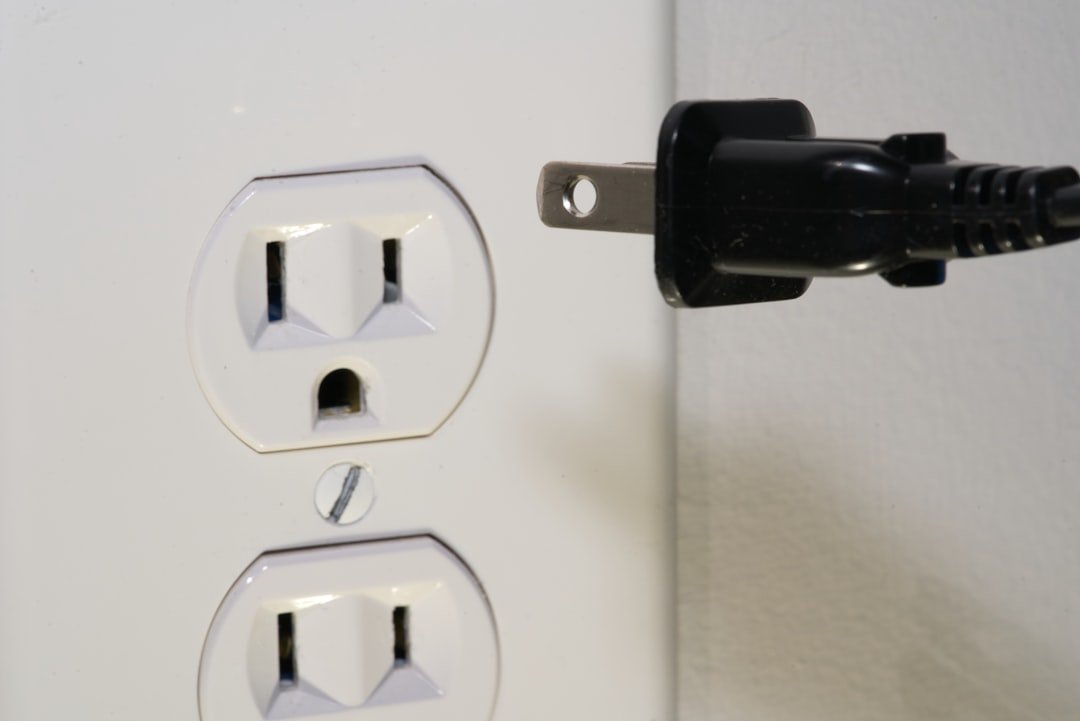
Power strip versus surge protector
A basic power strip is an outlet splitter, often with an on/off switch or circuit breaker. It does not necessarily protect electronics from a surge. The Electrical Safety Foundation International explains that a true surge protector contains components that divert or suppress excess energy from voltage spikes.
Packaging should explicitly say surge protective device or surge protector. Look for a recognized independent safety certification, such as UL or ETL, and confirm the listing applies to the complete product—not just one internal component.
Read these numbers before buying
- Electrical rating: The strip’s maximum voltage, amperage and wattage must fit the connected load. A common U.S. product may be rated 15A at 125V, but verify the actual label.
- Joule rating: This is an energy-absorption figure used on many surge protectors. A larger number generally indicates more capacity, but it does not make unsafe overloading acceptable.
- Clamping or voltage-protection rating: This describes the voltage level at which protection acts under a specified test. Compare products tested under the same standard.
- Protected indicator: A light can show whether surge-protection components remain active. It is different from a simple power-on light.
- Cord and plug: Check cord length, conductor rating, grounding pin and whether the product is intended for indoor or outdoor use.
Never daisy-chain power strips
Plug a relocatable power tap directly into a permanently installed wall receptacle. Do not connect one strip to another, attach it to an extension cord for extra reach or place cords where furniture, doors or rugs can pinch or cover them. NFPA and ESFI guidance warns against these practices because overloading and trapped heat can increase fire risk.
Keep heaters and heavy appliances off the strip
Portable heaters draw substantial current and should be plugged directly into a wall outlet according to ESFI guidance. The same cautious approach applies to devices whose manufacturer instructions prohibit extension cords or power strips. Examples can include portable air conditioners, large kitchen appliances and other heating equipment.
Do not decide based only on whether the plug physically fits. Check the appliance instructions, the strip’s rating and the capacity of the circuit. Repeatedly tripped breakers, warm outlets, discoloration, buzzing or a burning smell require attention; unplug safely and consult a qualified electrician.
Surge protection wears out
Protective components can degrade after repeated spikes or a major event. If the “protected” indicator goes out, replace the unit according to the manufacturer’s instructions. Also replace any strip with a cracked case, loose sockets, damaged cord, bent ground pin, heat marks or intermittent power.
A surge protector is not the same as an uninterruptible power supply. A UPS includes a battery that can keep selected equipment running briefly during an outage; surge protection alone does not supply backup power. Nor does a plug-in protector guarantee safety from a direct lightning strike.
A practical buying checklist
- Choose a real surge protector for sensitive electronics, not an unlabeled outlet strip.
- Verify a recognized independent safety listing.
- Match the voltage, amperage and wattage ratings to the intended load.
- Look for both grounded outlets and a clear protection-status indicator.
- Buy the correct cord length instead of adding an extension cord.
- Leave space around the unit so heat can escape.
- Keep liquids away and use outdoor-rated equipment outdoors.
- Plug heaters and other high-power appliances directly into the wall when instructed.
- Never connect strips together.
Where whole-home protection fits
Plug-in units are commonly described as Type 3 surge protective devices. ESFI notes that Type 1 and Type 2 devices can protect at the service or panel level. A layered approach can reduce exposure, but panel work belongs to a qualified electrician and does not remove the need to use plug-in products correctly.
Sources
Electrical Safety Foundation International: Home Safety, ESFI: Extension Cord Safety Tips, and NFPA: Electrical Fire Safety and Relocatable Power Taps.
Disclosure: This article was prepared with AI assistance and reviewed against the cited safety guidance. It is general information, not an electrical inspection, and does not claim hands-on product testing.