Before you leave for the airport, turn your power bank over and find its watt-hour rating. That small “Wh” number decides whether it can travel normally, needs airline approval, or should stay home.
For flights governed by U.S. rules, a power bank is treated as a spare lithium battery. It belongs in your carry-on baggage—not in a checked suitcase. The Federal Aviation Administration updated its guidance on August 11, 2026, and also warns that individual airlines may set stricter limits.
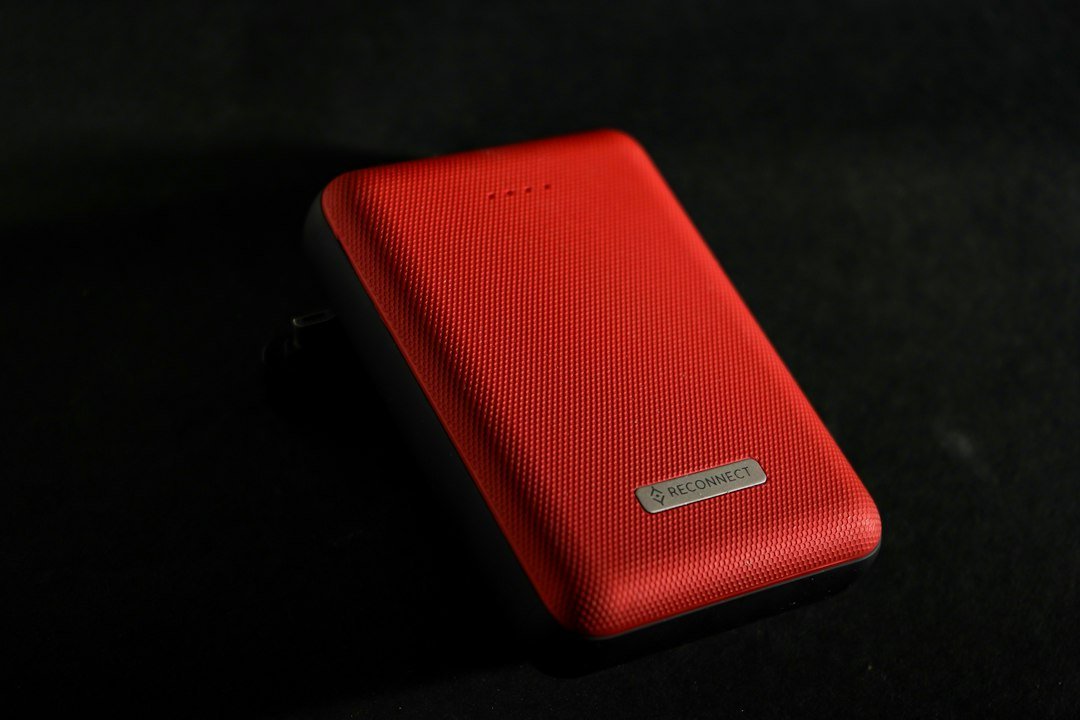
The short answer
- 100Wh or less: generally permitted in carry-on baggage for personal use.
- More than 100Wh and no more than 160Wh: airline approval is required, and the FAA limits travelers to two larger spare batteries.
- More than 160Wh: generally not allowed as passenger baggage under these provisions.
- Checked baggage: do not put a power bank there. If your carry-on is gate-checked, remove the power bank and keep it in the cabin.
These are the federal baseline rules for U.S. flights. Your carrier or another country may be stricter, so check the airline’s battery page before departure.
Why mAh alone is not enough
Power banks are often advertised as 10,000mAh or 20,000mAh, but aviation rules use watt-hours. Many products print both values. If the Wh rating is missing, use the manufacturer’s stated nominal battery voltage and this formula:
Watt-hours = milliamp-hours × volts ÷ 1,000
At a common nominal cell voltage of 3.7V:
- 10,000mAh is about 37Wh.
- 20,000mAh is about 74Wh.
- 27,000mAh is about 99.9Wh.
Do not assume the USB output voltage is the battery’s nominal voltage. Use the rating printed on the device or the manufacturer’s specification. If the label is worn away and the capacity cannot be confirmed, an airline or security officer may not accept it.
Pack it so nothing can short the terminals
A safe capacity is only part of the job. The FAA says spare-battery terminals must be protected from contact with metal and the battery must be protected from damage. A fitted pouch, retail packaging, battery case, or individual plastic bag works. Keep coins, keys and loose cables from pressing against exposed contacts.
Do not travel with a swollen, punctured, leaking, unusually hot or recalled battery. If a power bank begins overheating, expanding, smoking or burning in the cabin, stop using it and notify the flight crew immediately.
What to do when a carry-on is gate-checked
Small aircraft and full flights often require passengers to surrender cabin bags at the gate. Remove every power bank and other loose spare lithium battery before handing over the bag. Keep them with you in the cabin, protected from short circuits.
This rule is easy to miss because the bag started as carry-on luggage. Pack batteries in an accessible pocket or small organizer so you can remove them quickly.
Check your airline before flying
The FAA explicitly notes that airlines—domestic and international—may impose stricter quantity or watt-hour limits. Some carriers also publish rules about using or charging power banks during the flight. Check both operating airlines when an itinerary is codeshared, and check the destination and transit-country rules on international trips.
Two-minute preflight checklist
- Read and photograph the Wh label.
- Confirm the battery is 100Wh or less, or obtain airline approval if it is in the 101–160Wh range.
- Put it in carry-on baggage only.
- Protect it from crushing and cover exposed terminals.
- Remove it if the bag is gate-checked.
- Leave damaged, swollen or recalled batteries at home and follow local disposal guidance.
- Check the airline’s own quantity, capacity and in-flight-use rules.
Sources
FAA PackSafe: Lithium Batteries (updated August 11, 2026) and TSA: Power Banks and Portable Chargers.
Disclosure: This article was prepared with AI assistance and reviewed against the cited official guidance. It is informational, not airline or legal advice, and does not claim hands-on testing.