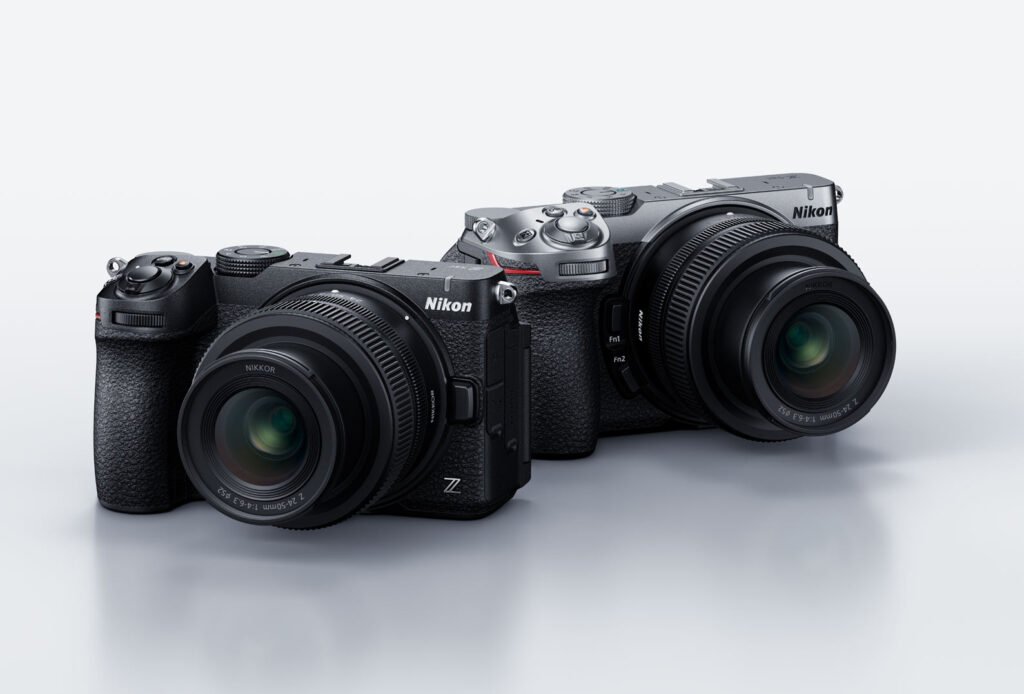
Nikon’s new Z5IIC is a $1,399.95 full-frame mirrorless camera built for people who would rather compose on a touchscreen than look through an electronic viewfinder. It carries over the 24.5-megapixel sensor, EXPEED 7 processor and much of the imaging performance of the Z5II, then reshapes the experience around a flat top, vari-angle screen and simplified controls.
Nikon Z5IIC price and availability
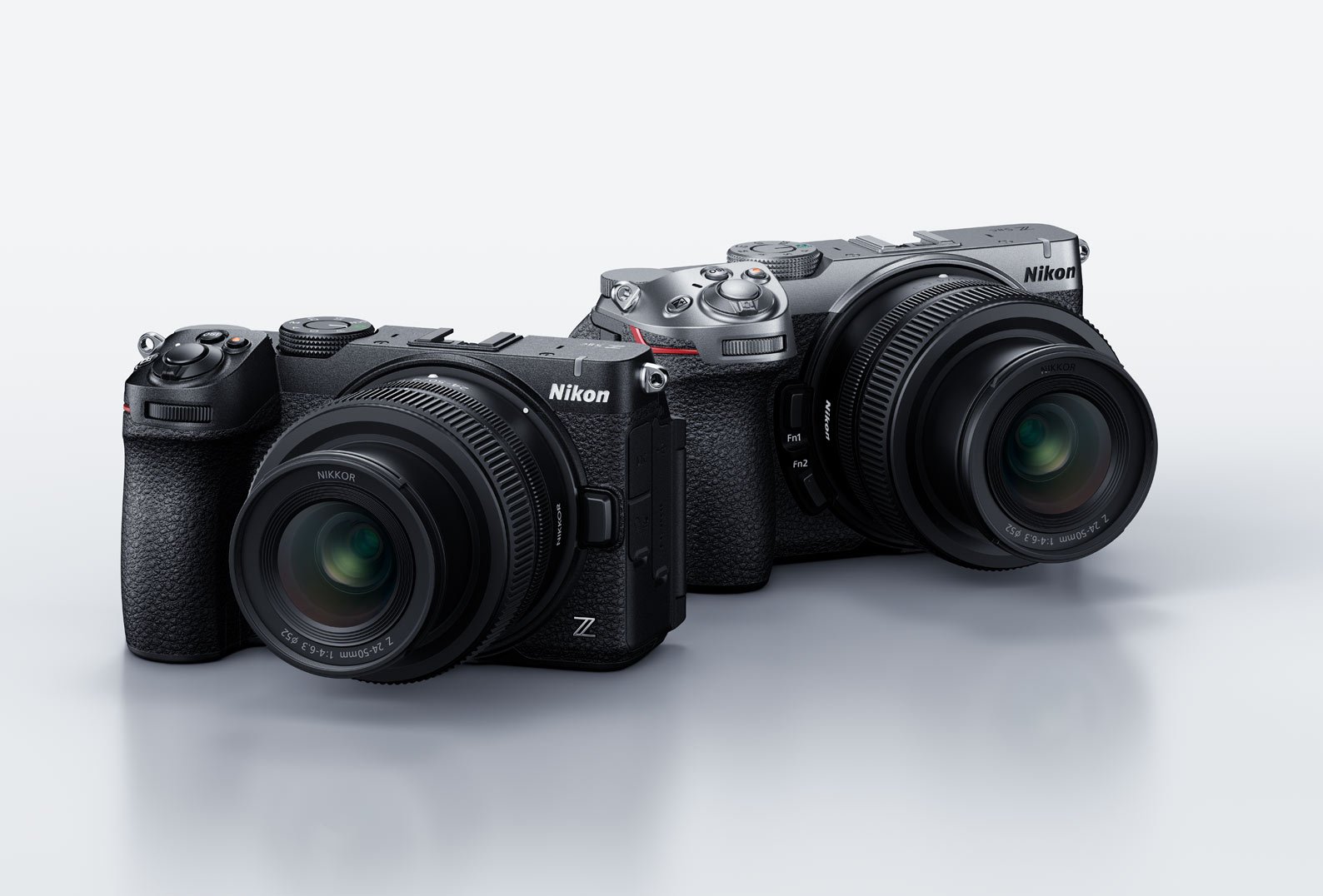
Nikon says the Z5IIC will reach the United States in mid-October 2026. The body-only version has a suggested retail price of $1,399.95, while a kit with the compact NIKKOR Z 24-50mm f/4-6.3 lens will cost $1,699.95. Retailers will also offer bundles with the 26mm f/2.8 pancake lens and the 40mm f/2 lens, though Nikon has not set one nationwide price for those packages.
The camera is available in black or silver and is already listed for preorder on Nikon’s US store. Actual dealer prices may differ from Nikon’s suggested figures.
The missing viewfinder is the defining choice
The Z5IIC does not have an electronic viewfinder. Nikon describes it as a “screen-first” camera intended to make the transition from smartphone photography feel more natural. A 3.2-inch vari-angle display supports familiar gestures such as tapping, swiping and pinching, and it can rotate forward for selfies and vlogging.
That design gives the camera a smooth, flat top and helps it slip into a bag, but it is also the biggest limitation. A viewfinder is useful in bright sunlight, when tracking fast action and when holding a camera steadily with a long lens. Buyers who routinely shoot sports, wildlife or outdoor events should compare it with the Z5II before choosing the less traditional body.
Nikon’s own Z5IIC-versus-Z5II guide makes the distinction clear: the Z5IIC is aimed at touchscreen composition, candid moments, travel and unusual angles, while the Z5II retains the eye-level shooting experience.
A familiar 24.5MP full-frame core
Inside is a 24.5-megapixel backside-illuminated full-frame CMOS sensor paired with Nikon’s EXPEED 7 image processor. Nikon says it delivers the same level of performance as the Z5II, including intelligent subject detection and low-light autofocus.
Five-axis in-body vibration reduction is rated for up to 7.5 stops at the center of the frame and 6 stops toward the edges under Nikon’s stated CIPA test conditions. That figure is a manufacturer rating rather than an independently verified result, but in-body stabilization is valuable because it works with the broad Nikon Z-mount lens system.
The standard high-speed burst reaches approximately 14 frames per second. A High-Speed Frame Capture+ mode can reach 30 fps and save images from up to one second before the shutter is fully pressed. That fastest mode is limited to JPEG Large/Normal, so it is not a substitute for unrestricted RAW bursts.
Beginner controls without removing advanced options
The Z5IIC is Nikon’s first full-frame mirrorless camera with scene modes on the mode dial. Fifteen choices cover subjects including portraits, pets, food, night landscapes and twilight. The camera automatically adjusts settings such as exposure, white balance and Picture Control for the selected scene.
A dedicated button also opens Nikon Imaging Recipes—downloadable looks created by Nikon and participating photographers. A Film Grain function can add an adjustable analog-style texture to photos and video. These tools are meant to produce a finished look in-camera, although photographers can still use the conventional manual and semi-automatic controls as their skills grow.
Video features are stronger than the casual name suggests
The Z5IIC records up to 4K UHD at 60 fps and Full HD at 120 fps. The important caveat is that 4K/60 recording uses a DX-format crop rather than the full width of the sensor. It also supports 4× and 5× slow motion at selected Full HD settings.
Creators get a tally light, a red frame around the screen while recording and a Product Review Mode that shifts focus to an object held near the lens. H.265 10-bit, N-Log and internal N-RAW recording to an SD card are supported, though Nikon recommends a V90-rated card for relevant N-RAW modes and notes that format restrictions apply.
UVC and UAC compatibility allow the camera to function as a webcam through a USB connection. Nikon Imaging Cloud can handle recipes and cloud transfers, while SnapBridge supports wireless transfers and remote control from a phone.
Size, construction and practical tradeoffs
The body weighs 21.9 ounces, or 620 grams. Magnesium alloy is used in key areas, and Nikon says sealing has been applied with dust and drip resistance in mind. The company does not guarantee complete protection in every environment, so this should not be treated as a waterproof camera.
The Z5IIC makes the most sense for smartphone upgraders, travel photographers and creators who already frame everything on a rear screen. Its full-frame sensor, in-body stabilization and serious video formats leave room to develop more advanced skills. The tradeoff is equally clear: removing the viewfinder changes how the camera handles in strong light and with larger lenses.
What remains unknown
Nikon has supplied a detailed specification sheet, but real autofocus consistency, rolling-shutter behavior, heat limits, battery life and image stabilization still require independent testing. The “casual” design may also feel very different depending on lens size and shooting style. We have not tested the Z5IIC, so Nikon’s performance claims should be treated as manufacturer specifications until reviews of retail hardware arrive.