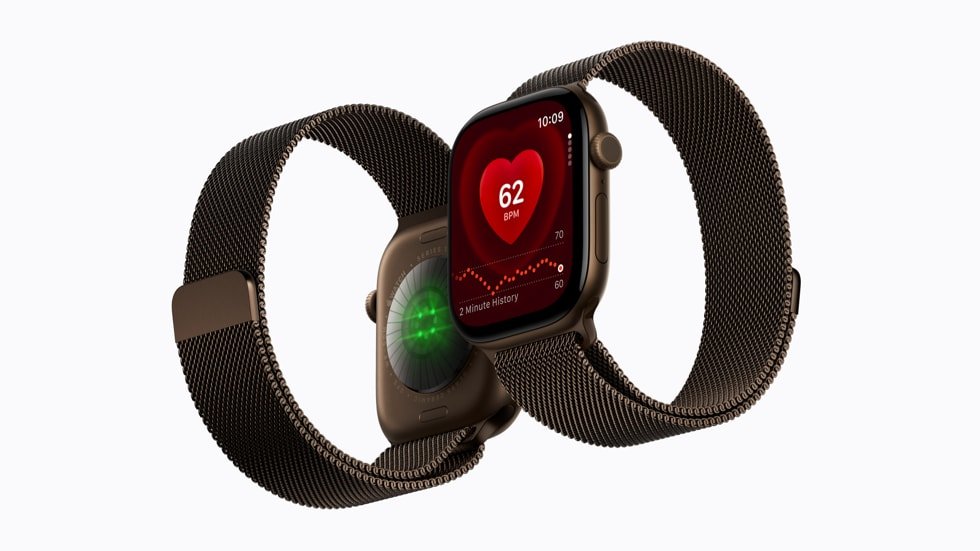
Apple Watch Series 12 preorders opened September 12 in the United States and more than 50 other countries and regions. The watch starts at $399 in the U.S. and is due in stores on September 18. The important caveat: some of the most interesting software features are not day-one features.
Featured image: Apple Newsroom promotional image.
Apple Watch Series 12: the quick facts
| Question | Answer |
|---|---|
| Starting price | $399 in the U.S. |
| Case sizes | 42mm and 46mm |
| Preorders | Opened September 12, 2026 |
| In-store availability | September 18, 2026 |
| Claimed everyday battery | Up to 24 hours |
| Software requirement | watchOS 27; paired with iPhone 11 or later, or iPhone SE (2nd generation or later), running iOS 27 |
What you are buying on September 18
Series 12 is built around Apple’s S11 chip and a new collection of sensors that the company calls the Health Sensing System. The watch comes in 42mm and 46mm case sizes. Apple says the regular model can run for up to 24 hours in everyday use and up to 10 hours during an outdoor workout.
Those are laboratory-based manufacturer estimates, not results from our own testing. Battery life will depend on display use, workouts, cellular activity, notifications and network conditions. If your current watch already struggles to make it through your longest day, wait for independent battery tests before trading it in.
Apple also says 15 minutes of charging can provide up to 12 hours of normal use. That could make a short shower or breakfast charge useful, but it does not remove the need for a charging routine.
The health-sensing claims need context
Apple says Series 12 measures heart rate every five seconds and captures heart-rate variability as often as every five minutes—up to 24 times more frequently than the previous generation. It describes the system as its most accurate heart-rate sensing in a wearable.
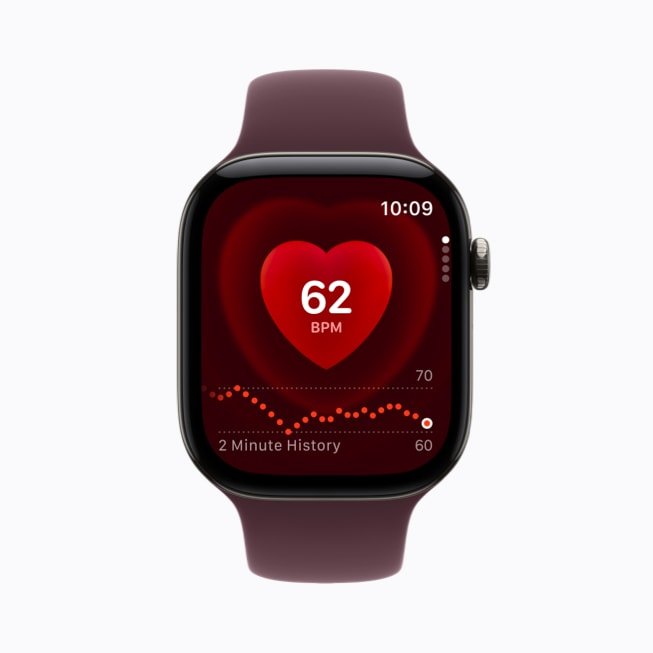
More frequent readings can create a denser record, but frequency alone does not prove clinical accuracy or guarantee that the watch will identify a health problem. Treat alerts and trends as information to discuss with a qualified clinician, not as a diagnosis or an all-clear.
The new readiness score is easier to understand as a planning tool. It combines recent activity, sleep and heart-rate information into a score from 0 to 10, paired with labels such as “Recover,” “Pace Yourself,” “Ready” and “Go For It.” It may help decide whether to ease off or train, but it cannot know every cause of fatigue, illness or stress.
Not every promoted feature arrives on day one
Apple says a redesigned Health app will arrive later in 2026, initially in U.S. English. The company also plans a beta of its Audio Intelligence features later in the year. That distinction matters: preorder the watch for what it can do at launch, not only for promised software.
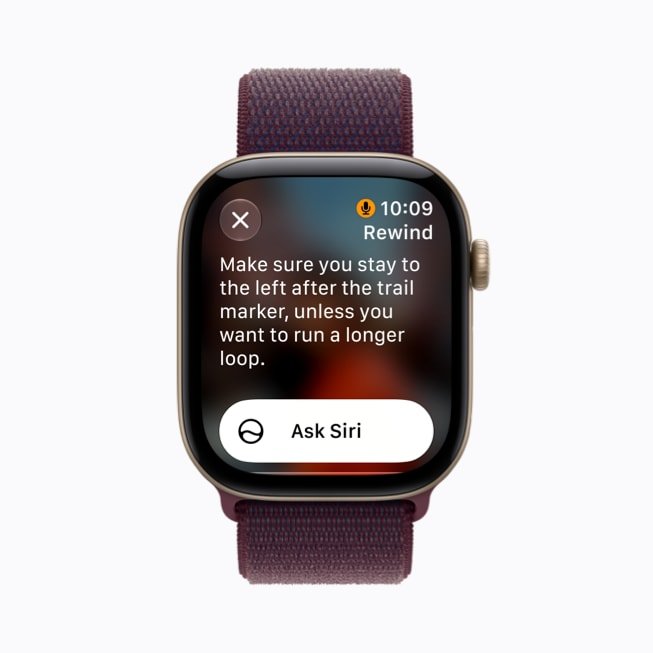
One planned feature, Live Rewind, is designed to show text from the previous 15 seconds after a double press. Apple says the watch will signal when the feature is active with a chime, animation and microphone indicator, and that raw audio recordings are not stored. Those are Apple’s privacy and product claims; availability and real-world behavior still need to be evaluated after release.
Five checks before placing a preorder
- Confirm phone compatibility. Apple lists iPhone 11 or later, or iPhone SE (2nd generation or later), with iOS 27. Do not assume an older iPhone will pair.
- Choose the case on your wrist, not from a spec sheet. A 46mm display can be easier to read, while a 42mm case may sit better on a smaller wrist. If possible, try both sizes in a store.
- Verify your bands. Check Apple’s band compatibility information for the exact case and band you own before assuming every old band will fit as intended.
- Plan around the 24-hour claim. Think through sleep tracking, long workouts and travel. Buyers who dislike daily charging may be better served by waiting for independent tests or considering a longer-lasting model.
- Separate launch features from promises. If Live Rewind or the redesigned Health app is your main reason to upgrade, wait until the software ships and the limitations are known.
Who should consider it—and who should wait
Series 12 makes the most sense for someone with a compatible iPhone who wants a mainstream Apple Watch, values denser health trend data and is comfortable charging roughly every day. Owners of a much older watch may also gain several generations of display, performance and safety improvements at once.
Recent Apple Watch owners should be more cautious. A new readiness score or more frequent sensing may not justify replacing a watch that already meets your needs. People buying primarily for medical reassurance should also pause: a consumer wearable complements professional care; it does not replace it.
The bottom line
The $399 starting price and September 18 availability make Series 12 a straightforward preorder only if its launch-day hardware solves a real problem for you. Everyone else loses little by waiting for independent battery and sensor testing—and for Apple’s later software features to become real products rather than roadmap items.
Sources and disclosure: Specifications, prices, dates and feature descriptions were checked against Apple’s September 9 announcement. This article was prepared with AI assistance and reviewed for source accuracy and clarity. Gadget N Widget has not independently tested Apple Watch Series 12, its battery life or its health sensors.