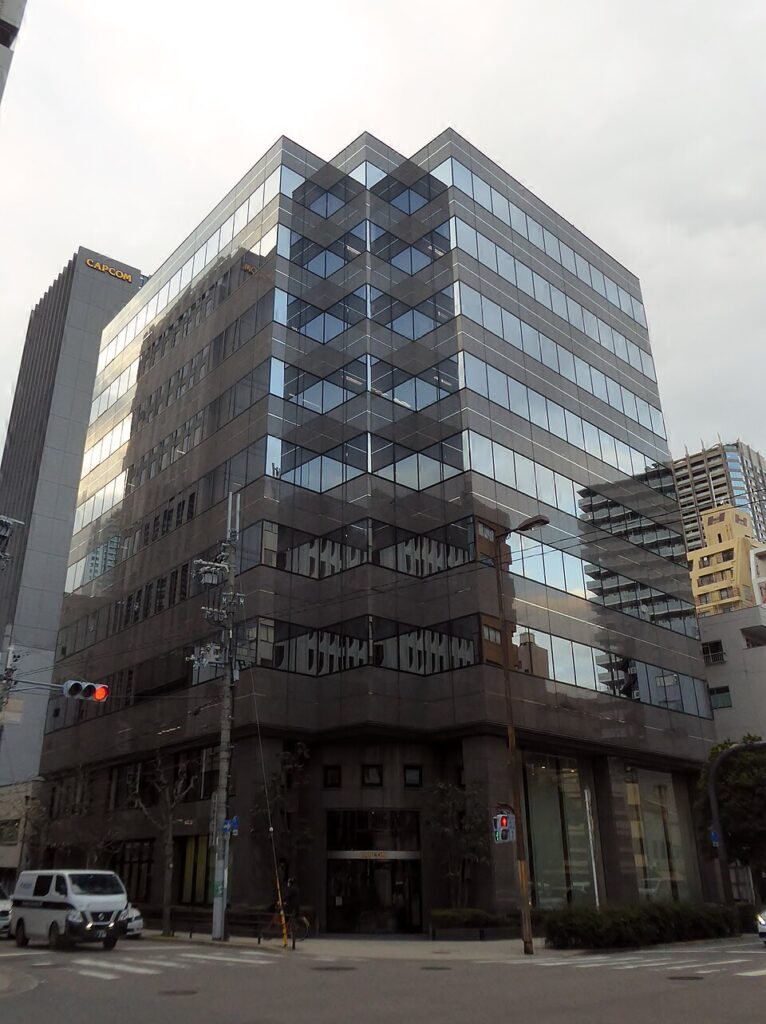
Capcom has disclosed unauthorized access to its CAPCOM ID membership system, exposing email addresses and account metadata associated with 11,774,247 records worldwide. The company detected suspicious activity on October 19, 2026, blocked the access and later confirmed that customer information had already been reached.
The incident affects a service used to sign into Capcom websites and play certain games online. Capcom says the games themselves remain available, customer-created passwords have not been confirmed as exposed, and credit-card information was not included in the affected data. Even so, the leaked email addresses and login metadata create a practical phishing risk for millions of players.
Exactly what Capcom says was exposed
The largest group consists of 11,774,247 records containing registered email addresses and system-specific account information. Capcom defines that additional information as the account creation date and time, last-login date and time, number of logins, and the client IP address used for the most recent login.
A much smaller subset of 43 records also included the user’s date of birth, gender, country or region, and nickname. Capcom separately found that passwords had been changed without authorization on 196 accounts. The company reset those accounts and says it is still investigating the resulting impact.
That distinction matters: an unauthorized password change is not the same as Capcom confirming that the original password was stolen. The company specifically says it has not confirmed any compromise of passwords set by customers. It also says payment-card information was not part of the affected data.
What happened and how Capcom responded
According to Capcom’s October 22 notice, the company detected suspicious activity and confirmed unauthorized access on October 19. It began blocking the access that day while investigating the cause and scope.
Capcom established an internal incident-response headquarters on October 20. On October 21, it reported the incident to the Osaka Prefectural Police and Japan’s Personal Information Protection Commission. The company says it has identified and addressed the attack method, completed emergency response measures, and continues to monitor the situation.
Capcom has not publicly described the technical route used by the attacker. That leaves important questions unanswered, including how long the third party had access and whether additional data could be identified as the investigation continues. The company says it will disclose further material facts if they are found.
Why exposed email and login data still matter
An email address by itself does not give someone control of an account. In this case, however, an attacker could combine the address with knowledge that the recipient uses CAPCOM ID. Account dates, login activity and location clues inferred from an IP address can make a fake security message sound more believable.
A phishing email might claim that a CAPCOM ID password needs to be reset, a suspicious login must be reviewed, or a game account will be suspended. A fraudulent link can lead to a convincing copy of a sign-in page designed to steal the password the victim enters.
Capcom is therefore warning users not to open attachments or visit URLs in suspicious messages impersonating the company or related parties. Independent security reporting also emphasizes that the breached account metadata can support more targeted scams, even without a leaked password database.
What CAPCOM ID users should do now
First, treat unexpected Capcom account messages cautiously. Instead of following an email link, open a fresh browser window and navigate to the official CAPCOM ID or Capcom support site yourself. Check the sender’s full address, but do not rely on it alone because visible sender names can be forged.
If your CAPCOM ID password is reused on another website, replace it with a unique password on every affected account. Capcom has not confirmed that user-created passwords leaked, so this is a precaution against password reuse and phishing rather than evidence that every user must assume their password was stolen.
A password manager can make unique credentials easier to maintain. GNW’s earlier guide to 1Password’s newer agent-access system also explains the broader value of keeping credentials isolated instead of repeatedly sharing or reusing them.
Review the recovery email and other account details if the service offers them, and watch for password-reset notices you did not request. Anyone who loses access should use Capcom’s official support page rather than responding to an unsolicited message. Capcom says it will notify affected customers individually, but a convincing-looking email is not proof that it came from the company.
What users do not need to do
Based on Capcom’s current disclosure, there is no breach-related reason to cancel a credit card solely because it was used with a Capcom service. The company explicitly says card information was not among the affected data. Normal statement monitoring remains sensible, but the confirmed risk is centered on account information and fraudulent communications.
Players also do not need to uninstall games or stop playing because of the incident. Capcom says CAPCOM ID services remain available and gameplay access is not affected. The issue concerns the membership system and customer information rather than game files on a console or PC.
It is also important not to assume that every message mentioning the breach is legitimate. Major security incidents often create a second wave of scams aimed at worried users. A message that creates urgency, asks for a password, or directs the recipient to an unfamiliar domain should be treated as suspicious.
What remains unknown
Capcom has not named an attacker, explained the initial access method, or published a complete duration for the intrusion. It says the method has been identified and addressed, but the lack of technical detail prevents outside observers from evaluating that fix.
The disclosed figures are accurate as of October 22 and may change if the investigation finds more affected records. Capcom has established regional support channels and says it will contact affected customers in stages.
For players, the sensible response is proportionate rather than panicked: use a unique password, avoid email links, verify account notices through official pages, and remain alert for personalized phishing. Those steps address the most plausible danger created by the information Capcom has confirmed was exposed.