The worldwide PC market hit a sharp speed bump in the third quarter of 2026. Preliminary estimates from Counterpoint Research show shipments falling 21% from a year earlier to about 57 million units. Omdia’s independently compiled total is slightly higher at 58.1 million, but it points to nearly the same year-over-year decline.
The headline number matters because this was not simply a weak quarter for one brand or one region. Expensive memory and storage, earlier-than-usual buying in the first half of the year, and cautious consumer spending combined to pull the market down. For shoppers, the practical result is a less comfortable choice: pay more for a new PC, accept lower specifications at a familiar price, or wait without any guarantee that the component shortage will clear soon.
A broad fall after demand moved forward
PC makers and their customers bought aggressively earlier in 2026 as they prepared for rising component costs and the end of Windows 10 support. That “pull-forward” effect moved some purchases that might normally have happened in the second half into the first half instead.
When that early demand faded, the third-quarter comparison became unusually difficult. Omdia estimates desktop shipments fell 23.5% year over year to 11.7 million units, while notebook shipments declined 20.6% to 46.4 million. Counterpoint also recorded a 13.8% sequential fall from the second quarter.
These are preliminary shipment estimates, not retail sell-through totals. They measure PCs moving into distribution channels, so they can be influenced by inventory decisions as well as purchases by people and businesses. Even with that caveat, the agreement between research firms makes the direction clear: the market contracted rapidly.
Memory and storage costs are reaching PC prices
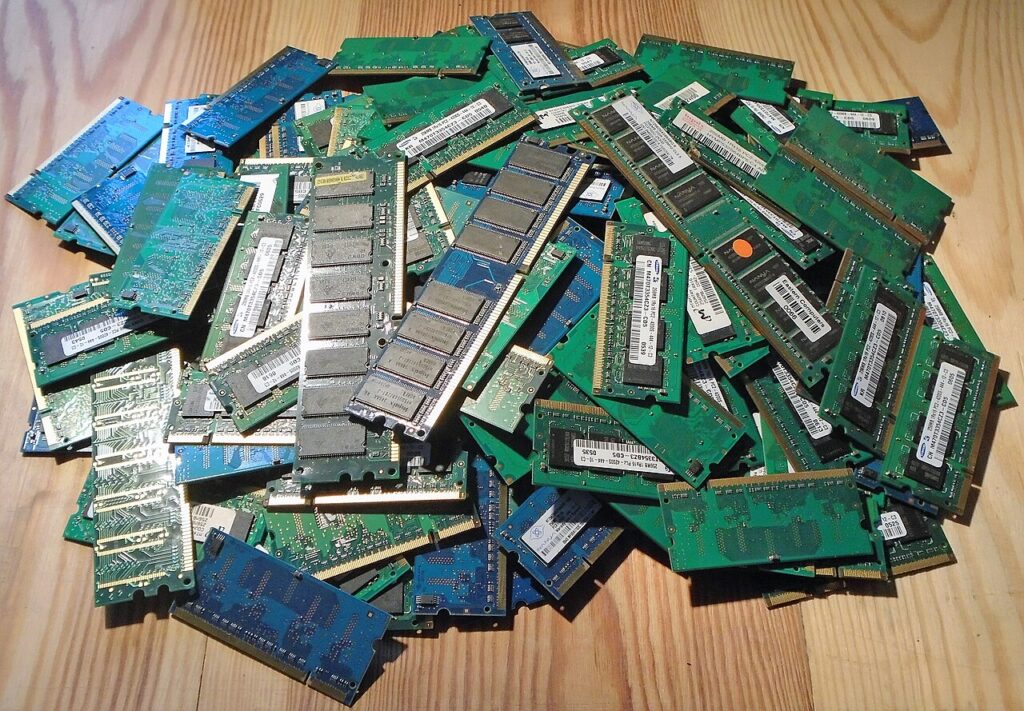
The most important pressure is the cost of DRAM and NAND flash, the components behind system memory and solid-state storage. Omdia says the combined cost of DRAM and SSD storage has increased by more than four times since the first quarter of 2025. Its estimate puts those parts at nearly 40% of a notebook’s bill of materials, up from roughly 15% before the current surge.
PC manufacturers can absorb only part of that increase. IDC estimates average selling prices rose 17% during 2026 and says prices are unlikely to return to 2025 levels in the near term. Counterpoint likewise attributes the shipment decline partly to higher retail prices created by more expensive memory and other components.
The same memory cycle is also affecting phones and other electronics, as explained in our earlier look at Samsung’s record profit and the cost pressure facing device buyers.
The pressure is especially visible in lower-priced machines. Entry-level laptops have less margin available to hide a component increase, so vendors may raise the price, reduce RAM or SSD capacity, or use older parts. Some manufacturers are revisiting DDR4 memory and lower-memory graphics cards to keep products within familiar price bands. That can preserve an attractive sticker price, but it may also shorten the machine’s useful life for demanding software.
Lenovo kept the lead as every major vendor declined
Counterpoint’s preliminary figures put Lenovo first with 15 million shipments and 26.3% market share. HP followed with 10.3 million and 18.1%, while Dell shipped 7.6 million for 13.3% of the market. Apple reached 5.6 million units and 9.8% share, narrowly ahead of ASUS at 5.2 million and 9.2%.
No major vendor escaped the annual decline. HP fell 31%, Dell dropped 25%, Lenovo declined 17%, Apple was down 11%, and ASUS fell 7%. ASUS did, however, grow 19.4% compared with the second quarter, showing that sequential momentum can look different from the year-over-year picture.
The individual results also reflect different customer mixes. Enterprise-focused vendors are affected by corporate refresh cycles, while consumer-heavy brands are more exposed to discretionary spending and promotional seasons. A shipment ranking therefore does not directly tell shoppers which brand offers the best value or reliability.
Forecasts differ, but none promise a quick reset
The research firms agree on the current decline but differ on what comes next. Counterpoint forecasts a 27% year-over-year fall in the fourth quarter and expects 2027 shipments to be roughly flat compared with 2026. Omdia projects a 24% fourth-quarter decline and a further 7% contraction in 2027.
IDC takes a broader annual view. It expects worldwide PC shipments to finish 2026 down 11.3% and says meaningful relief from the memory shortage may not arrive before the end of 2027.
Those differences are not necessarily contradictions. Each firm uses its own channel data, product definitions and forecasting model, and the market is moving quickly. The useful conclusion is the shared one: component availability and pricing are likely to remain unsettled well beyond a single quarter.
What this means if you need a PC now
A buyer with a failing computer or an immediate work requirement should focus on the specifications that are expensive or difficult to upgrade later. On many thin laptops, memory is soldered to the motherboard. Choosing 16GB rather than 8GB can be more important than a small processor upgrade, especially for multitasking, creative software and a longer service life. Storage is often easier to replace, but that depends on the model.
Check the exact configuration rather than relying on a family name. Two laptops with nearly identical branding may differ in memory type, screen quality, storage capacity and whether parts can be upgraded. Budget systems deserve extra scrutiny because manufacturers have the strongest incentive to reduce specifications there.
Refurbished business laptops and prior-generation premium models may offer better value than a newly introduced entry-level PC. They can provide more memory, stronger construction and replaceable storage at a similar price, though battery health and warranty coverage need to be checked.
Discounts will still appear, particularly around seasonal sales, but a percentage-off badge can be misleading if the original list price has risen. Compare the final price and full specification with current alternatives, and look at the retailer’s return policy rather than assuming an older “normal” price will return soon.
Should you buy now or wait?
If your current PC still works well, waiting is reasonable—but it is not a guaranteed route to lower prices. The memory market could improve, yet the major research firms do not expect a fast return to the conditions of 2025. New processor generations may also arrive while vendors continue to trim memory and storage in lower-cost models.
If you must buy, prioritize enough RAM, a usable display and a configuration that will meet your needs for several years. For many general-purpose Windows users, 16GB of memory and a 512GB SSD are a sensible floor. More demanding gaming, development, video and local AI workloads can justify 32GB or more.
The third-quarter slump is a warning that the PC market is being reshaped by component economics as much as by new chips or software. Shipment declines may eventually encourage promotions, but the underlying cost pressure means shoppers should judge the whole machine—not just the headline processor or sale price.