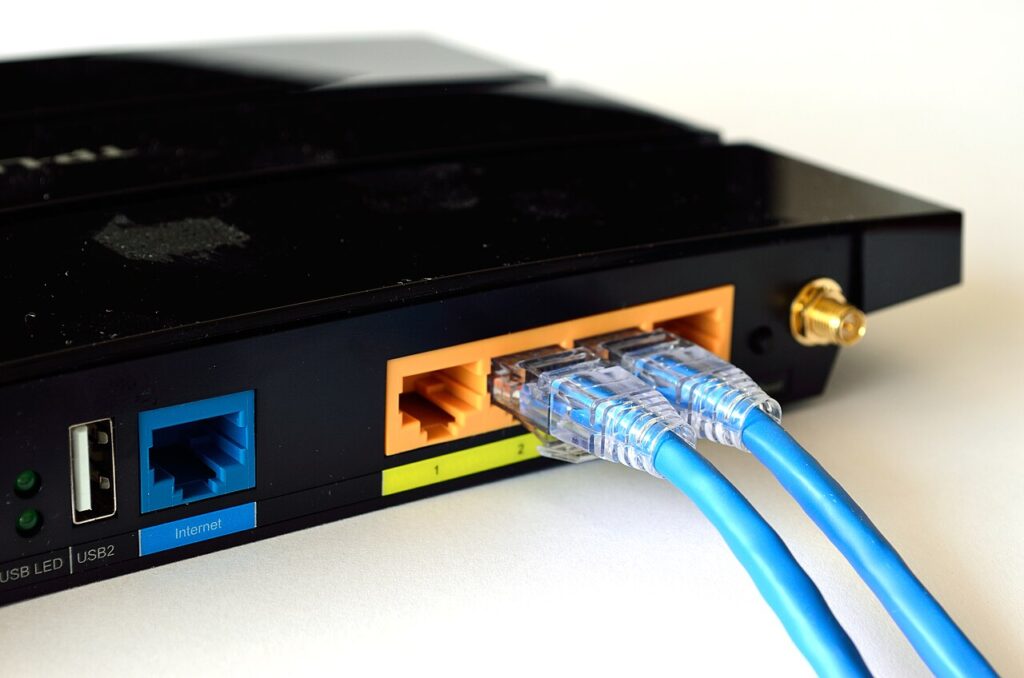
TP-Link plans to assemble next-generation home routers in Mississippi, beginning with Wi-Fi 8 products as early as 2027. The company has signed a letter of intent with U.S. electronics manufacturer Key Tronic, but the arrangement still needs regulatory approval and is not yet a final production contract.
The move matters because new foreign-produced consumer routers face tighter U.S. equipment-authorization restrictions. Domestic assembly could help TP-Link preserve access to one of its most important markets, but it does not guarantee that every future product will qualify for sale. For current owners, the immediate message is simpler: existing authorized routers are not being remotely disabled and should continue to work. If you are troubleshooting coverage before replacing a router, see our Wi-Fi problem mapping guide.
What TP-Link and Key Tronic actually announced
In an October 19 announcement, TP-Link said Key Tronic is intended to become a primary U.S. manufacturing partner. Assembly would take place at Key Tronic’s facility in Corinth, Mississippi, with TP-Link’s Wi-Fi 8 home-networking products expected to be among the first devices on the line.
TP-Link says production could begin “as early as next year,” meaning 2027. That timing is conditional. The document is a letter of intent, which records the companies’ plan to negotiate and cooperate, rather than confirming that mass production has begun. TP-Link also makes the timeline explicitly dependent on U.S. regulatory approval.
No production volume, retail pricing, final product list or investment total was disclosed. The companies also did not say which components would be manufactured domestically and which would continue to come from global suppliers.
Why U.S. assembly does not automatically settle the regulatory question
The FCC’s rules focus on whether equipment or important logic-bearing components come from entities or production categories on the Covered List. The agency says the standard can consider responsibility and control across design, development, manufacturing and assembly—not simply the country printed on a final label.
That means domestic assembly may be helpful without being the only factor. Chipsets, radios, memory, firmware development and product design can all be part of a router’s supply chain. TP-Link still needs regulators to determine whether a particular product and production arrangement satisfies the applicable authorization rules.
The latest FCC rules apply prospectively to new equipment-authorization applications and do not retroactively cancel authorization for products already approved. Online marketplaces also face phased compliance requirements for regulated listings beginning in 2027.
Existing TP-Link routers should continue working
Owners do not need to replace a working router solely because of the new assembly plan. TP-Link’s customer statement says existing routers remain authorized, supported and eligible for regular firmware and security updates.
The practical steps for current owners remain the same:
- install the latest firmware for the exact hardware version;
- use a strong, unique administrator password;
- disable remote management unless it is genuinely needed;
- turn off features such as WPS or UPnP when they are unnecessary;
- replace models that no longer receive security updates; and
- confirm that the router’s DNS and remote-access settings have not been changed unexpectedly.
A regulatory dispute around future imports is not evidence that a specific router in someone’s home has been compromised. At the same time, router security matters because the device sits between every local gadget and the internet, so routine updates and careful configuration remain important regardless of brand.
Wi-Fi 8 is expected to lead the Mississippi line
TP-Link specifically identifies Wi-Fi 8 hardware as an early production target. Its first announced model is the Archer 8 Ultra, also known as the Archer BN800. The router uses the developing IEEE 802.11bn standard and is designed around connection stability, interference handling and coverage rather than a dramatic increase in headline speed.
TP-Link lists tri-band wireless rates totaling up to 19 Gbps, 18 internal antennas, two 10 Gbps WAN/LAN connections, four 2.5 Gbps LAN ports and support for the 6 GHz band. Those figures are maximum technical or manufacturer-rated capabilities, not a promise that an ordinary internet connection will reach 19 Gbps.
The company claims coverage for up to 3,600 square feet and as many as 200 connected devices. Real results will vary with walls, interference, client hardware, placement and internet service. Several Wi-Fi 8 functions are also planned through future software updates, and TP-Link warns that the router may not support every mandatory feature in the final ratified 802.11bn specification.
What this could mean for prices and availability
U.S. assembly could reduce the risk that future TP-Link routers disappear from American stores because of import restrictions. It may also shorten parts of the supply chain and give regulators greater visibility into production and testing.
It does not necessarily mean cheaper routers. Domestic labor, tooling, compliance and low initial production volumes can increase costs, while imported chips and other components remain exposed to currency, tariff and supply-chain changes. TP-Link has not announced U.S. pricing for domestically assembled Wi-Fi 8 models.
Consumers should also distinguish assembly location from product origin. A device assembled in Mississippi may still contain globally sourced components. The final labeling and regulatory treatment will depend on the completed manufacturing plan and applicable U.S. rules.
Should you delay buying a router?
Most households should buy based on a current need, not the possibility of a 2027 production change. A reliable Wi-Fi 6 or Wi-Fi 7 router can remain the better value when the home’s phones, laptops and internet plan cannot use Wi-Fi 8 features.
Waiting may make sense for an enthusiast already planning a multi-gigabit network, someone who wants early Wi-Fi 8 hardware, or a buyer who specifically prefers U.S.-assembled electronics. Even then, it is worth waiting for three missing details: final regulatory approval, confirmed U.S. models and prices, and independent performance testing.
Buyers who need a router today should check its support policy, Ethernet ports, coverage needs, mesh compatibility and security-update history. A newer Wi-Fi number does not correct poor placement, slow broadband or client devices limited to an older standard.
The bottom line
TP-Link’s agreement with Key Tronic is a meaningful step toward domestic router assembly, not proof that production has started or that regulatory questions are resolved. Wi-Fi 8 products could begin moving through a Mississippi line in 2027 if the companies finalize the plan and receive approval.
For existing TP-Link customers, there is no immediate hardware emergency. For future buyers, the announcement improves the chance of continued U.S. availability but leaves pricing, scale and compliance details open.
Sources: TP-Link Systems, Federal Register and Android Authority. Featured image: Raysonho / Wikimedia Commons (CC0 1.0).